BOOKS
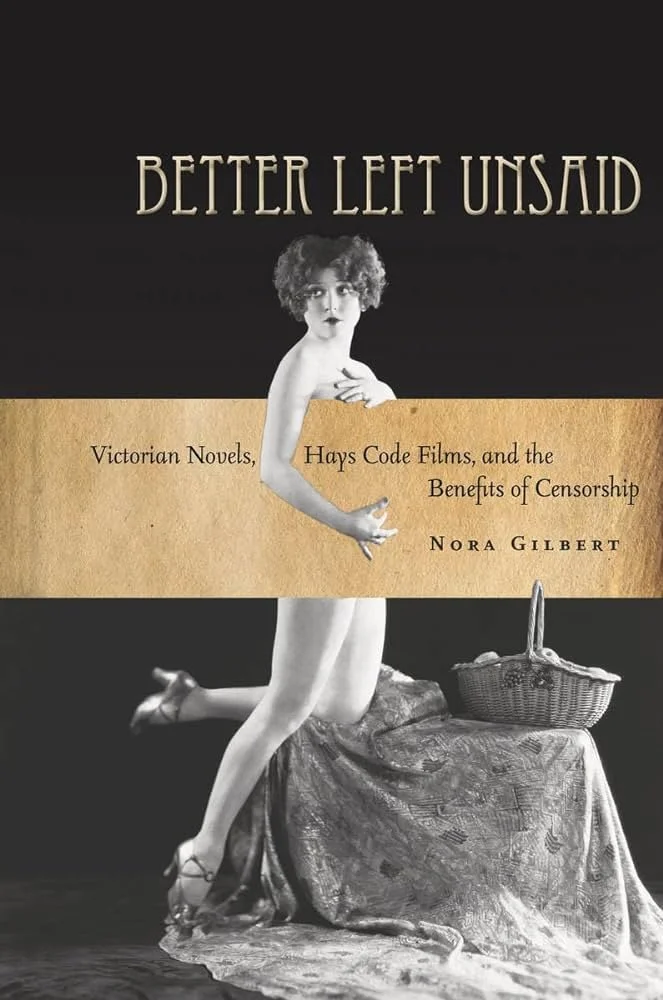
The overarching premise of my first book is that we can better understand the implicit, unofficial modes of regulation that governed the Victorian novel by studying them in conjunction with the excessively explicit modes that regulated Production Code-era Hollywood film. In comparing these two extra-legal, market-driven forms of censorship, this book explores the paradoxical effects of prohibitive practices. Rather than being ruined by censorship, it argues, the novels written in Victorian England and films produced under the Hays Code were stirred and stimulated by the very forces meant to restrain them.
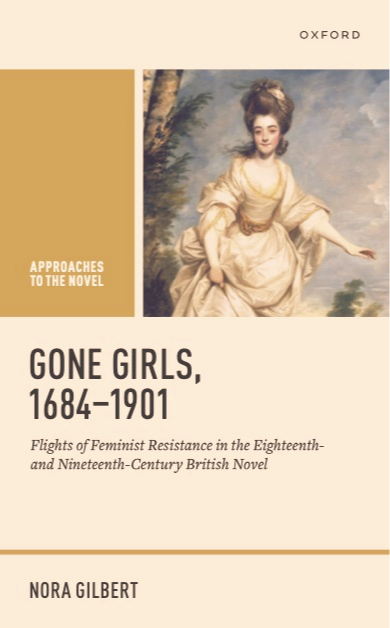
My second book argues that the strikingly persistent trope of female characters running away from some iteration of 'home' played a far more influential role in the histories of both the rise of the novel and the rise of modern feminism than previous accounts have acknowledged. Just as the #MeToo movement used the tool of repeated, aggregated storytelling to take a stand against contemporary rape culture, Gone Girls identifies and amplifies a recurrent strand of eighteenth- and nineteenth-century British storytelling that served both to emphasize the prevalence of gendered injustices throughout the period and to narrativize potential ways and means for readers facing such injustices to rebel, resist, and get out.
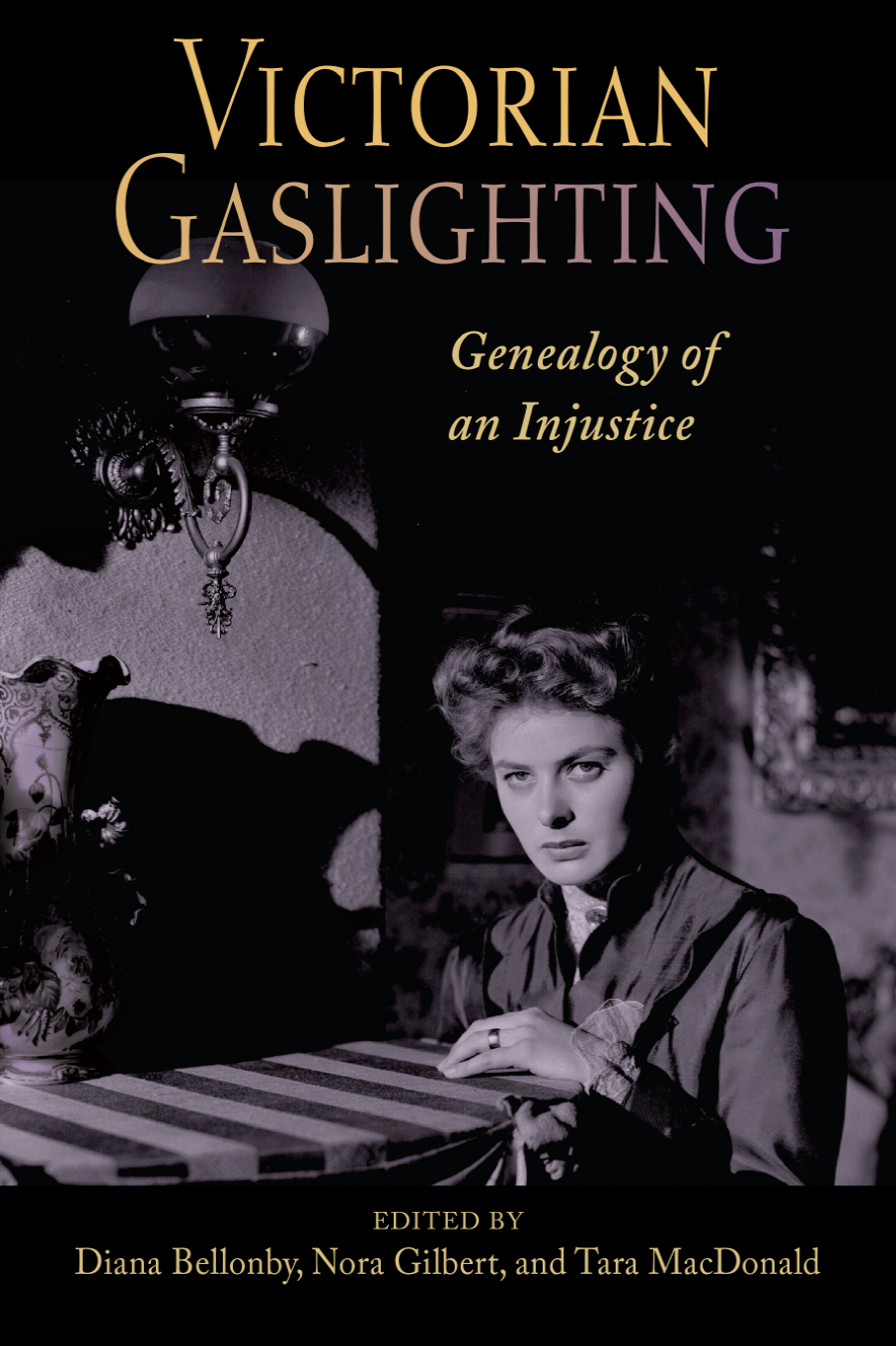
VICTORIAN GASLIGHTING: GENEALOGY OF AN INJUSTICE (SUNY PRESS, 2026)
This collection of essays that I coedited with Diana Bellonby and Tara MacDonald is the first literary-cultural history of gaslighting, a term derived from the haunting neo-Victorian play Gas Light (1938) that tells the story of a sadistic husband who manipulates his wife into believing she’s losing her mind. The collection traces the type of emotional abuse we find in the various stage and screen versions of the play back to its nineteenth-century British roots. Gaslighting emerged during an era when the idea of madness was debated, misused, policed, and medicalized like never before—and when the interlocking institutions of patriarchy, slavery, and imperialism sought to convince women, racialized others, and colonized subjects that their own perceptions were not to be trusted. More than anything, as the volume's wide-ranging analyses of both canonical and little-known Victorian texts demonstrate, gaslighting depends on the power to propagate a false narrative. This study clarifies how gaslighting works, then and now, by taking a deep dive into the distinctly Victorian horror story at the heart of this persistent form of injustice.